
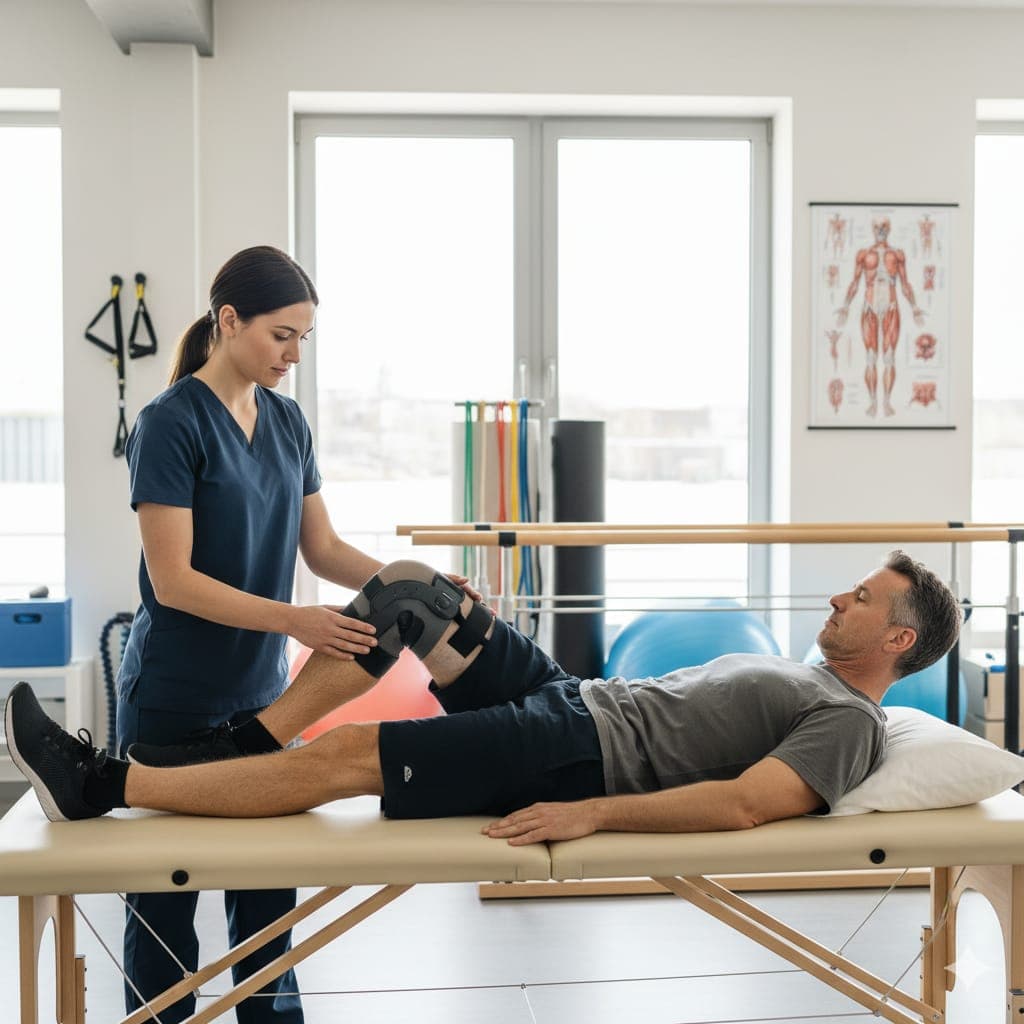
ADVANCED TRIGGER POINT THERAPY
Dry Needling in Bellandur – Targeted Relief for Muscle Knots & Chronic Pain
At FysioCult, our expert physiotherapists use precision dry needling techniques to release deep muscle tension, reduce chronic pain, and accelerate recovery.
1.8K+
Patients Treated
95%
Pain Relief Success
100%
Certified Practitioners
What Is Dry Needling?
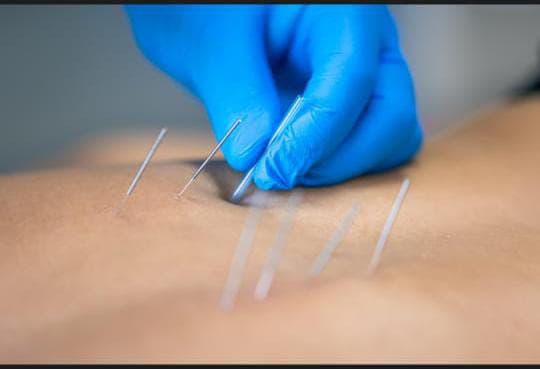
Dry needling is an advanced physiotherapy technique used to treat myofascial trigger points—tight muscle knots that cause pain and restrict movement.
Unlike acupuncture, dry needling is based on modern anatomical and neurophysiological principles to relieve muscular tension and restore function.
At FysioCult Bellandur, dry needling is integrated with corrective exercises and rehabilitation programs to ensure long-term results.
BENEFITS
Why Choose This Treatment
Benefits of dry-needling
Releases deep muscle knots
Reduces chronic pain
Improves blood circulation
Enhances flexibility
Accelerates muscle recovery
Prevents recurring trigger point formation
PAIN
Recognition
Does This Sound Familiar?
Persistent muscle knots and tightness
Chronic neck and shoulder pain
Recurring lower back stiffness
Sports-related muscle strains
Tension headaches from trigger points
Pain radiating from tight muscles
Symptoms Treated with Dry Needling
Dry needling is effective when pain originates from tight trigger points within muscles.
Localized muscle tenderness
Radiating pain patterns
Reduced muscle flexibility
Stiffness after prolonged sitting
Chronic muscular fatigue
Muscle spasms
Limited range of motion
Deep aching pain in specific areas
Ideal Candidates
Who Should Consider Dry Needling?
Athletes with muscle tightness affecting performance.
Office professionals experiencing chronic neck and back tension.
Patients with unresolved trigger point pain.
Individuals with tension headaches linked to muscle knots.
People with chronic pain not responding to conventional therapy alone.
Trigger Point Risk Factors
Factors That Lead to Muscle Knots & Chronic Tightness
Trigger points develop due to repetitive strain, stress, poor posture, overuse injuries, and prolonged inactivity.
Repetitive overuse from sports or gym training
Poor posture during desk work
Emotional stress causing muscle tension
Untreated muscle injuries
Lack of stretching or recovery time
Sudden increase in physical activity
Clinical Expertise
Conditions We Treat
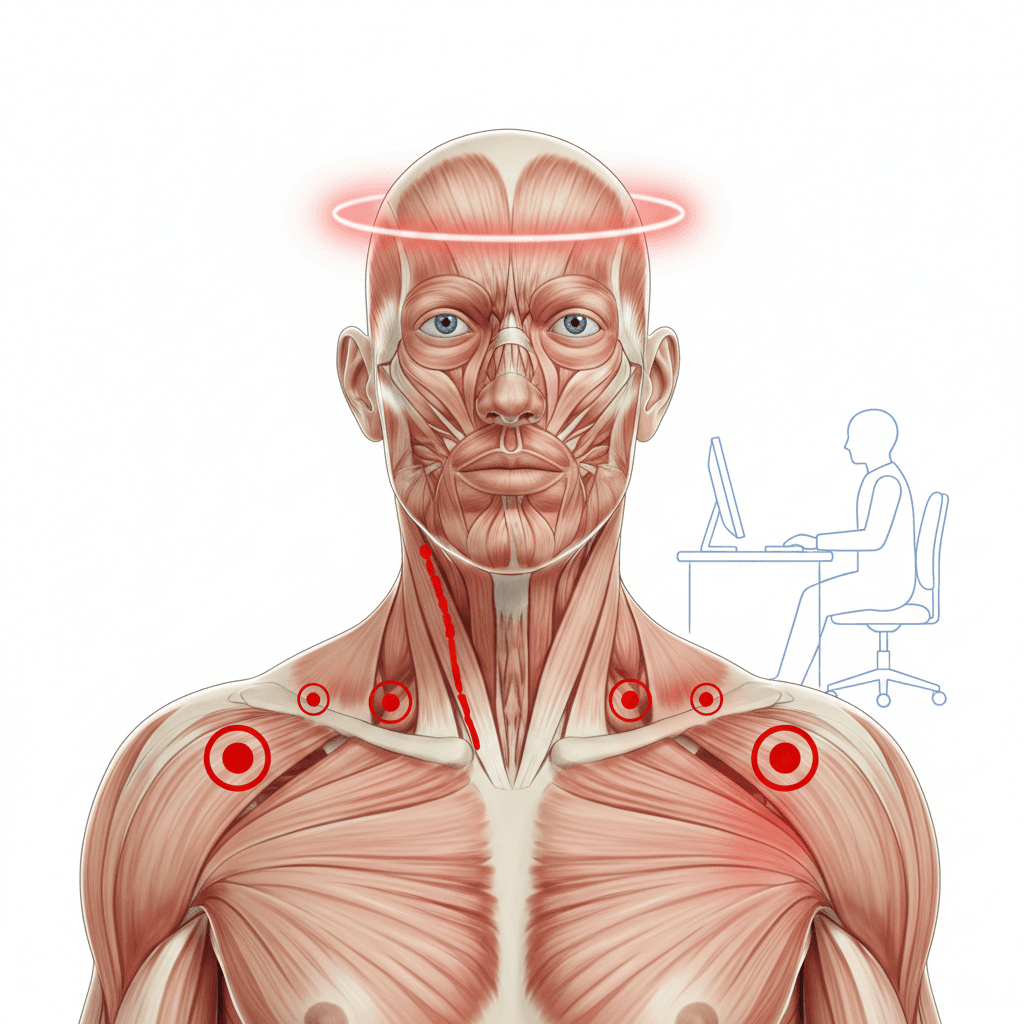
Neck & Shoulder Trigger Points
Common in desk workers due to prolonged screen time and stress-related tension.
Upper trapezius trigger points
Levator scapulae tightness
Tension headaches
Shoulder blade pain
Condition Category
Neck & Shoulder Trigger Points
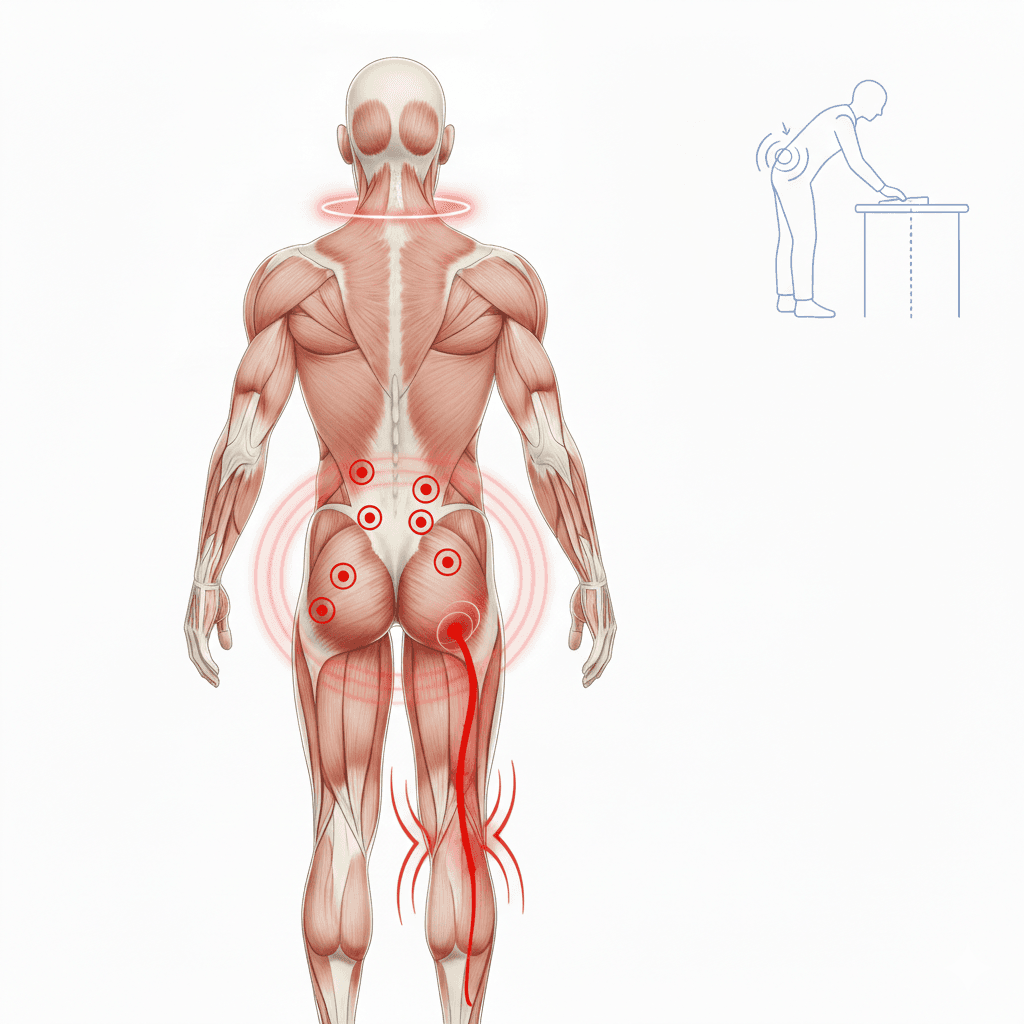
Lower Back & Hip Tightness
Trigger points in the lower back and gluteal muscles often cause radiating pain.
Lumbar trigger points
Gluteal muscle knots
Piriformis syndrome
Radiating sciatic-like pain
Condition Category
Lower Back & Hip Tightness
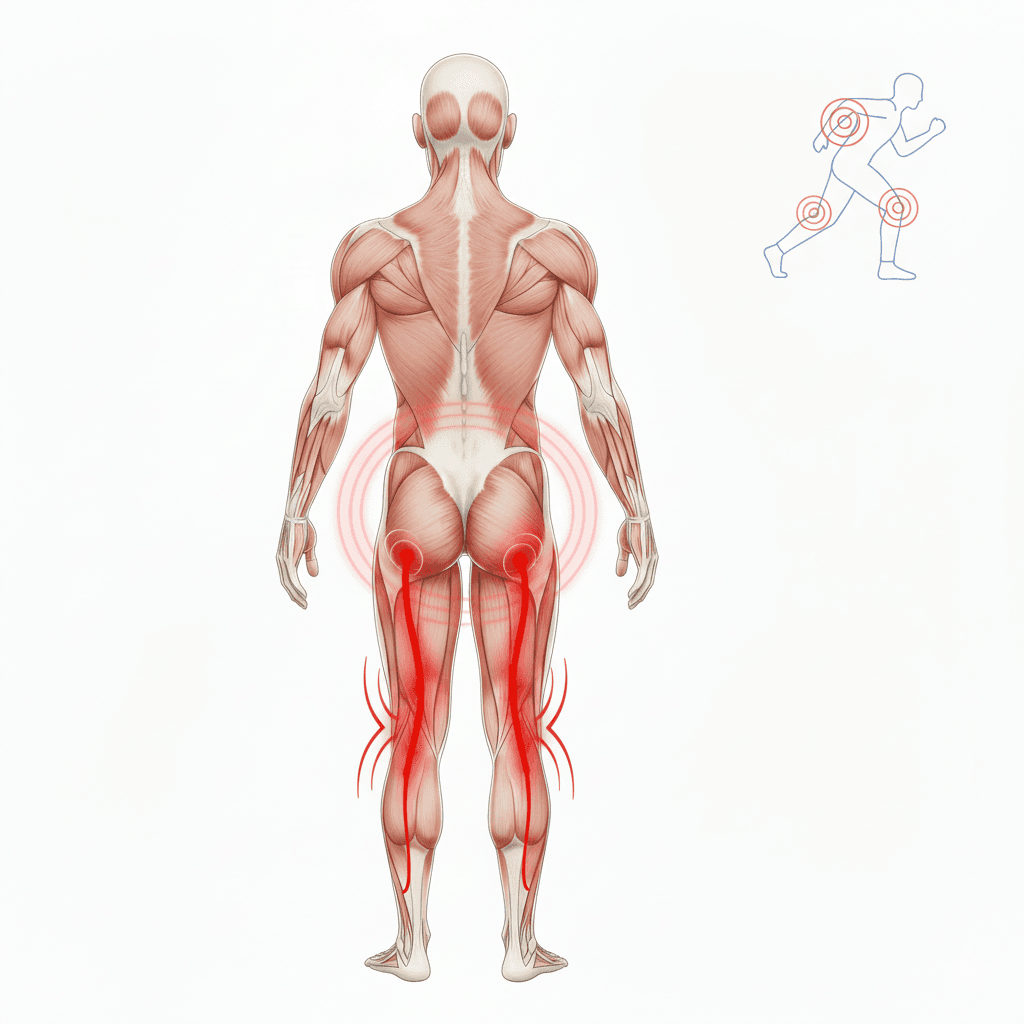
Sports-Related Muscle Strain
Dry needling accelerates muscle recovery and reduces stiffness after intense physical activity.
Hamstring tightness
Calf muscle knots
Quadriceps trigger points
Overuse strain injuries
Condition Category
Sports-Related Muscle Strain
Non-Surgical Treatment Approach
Trigger point dry needling
Stretching and mobility exercises
Corrective strengthening
Postural correction programs
Soft tissue therapy
Muscle recovery protocols

Recovery Timeline
Immediate Response Phase
Session 1–2
Muscle tension reduction and improved blood circulation.
Mobility Restoration Phase
Week 2–4
Enhanced flexibility and reduced pain sensitivity.
Stability & Strength Phase
Week 4–8
Integration of strengthening exercises to prevent recurrence.
Structured Recovery
Our Treatment Process
Trigger Point Assessment
Identifying tight muscle knots causing referred pain.
Precision Needle Insertion
Targeted insertion into trigger points to release tension.
Muscle Response Activation
Eliciting twitch response to reset muscle tension.
Mobility Integration
Stretching and corrective exercises post-needling.
Recurrence Prevention Plan
Strength and posture guidance to avoid future trigger points.
Advanced Surgical Recovery
Post-Surgical Rehabilitation
Scar tissue tension release
Post-operative muscle tightness relief
Mobility restoration after orthopedic surgery
Frequently Asked Questions
Looking for Expert Dry Needling in Bellandur?
Book your precision trigger point therapy session at FysioCult and experience targeted pain relief with advanced dry needling techniques.
Book Your Session