ADVANCED NEUROLOGICAL REHABILITATION
Neuro Physiotherapy in Bellandur – Specialized Care for Stroke & Neurological Recovery
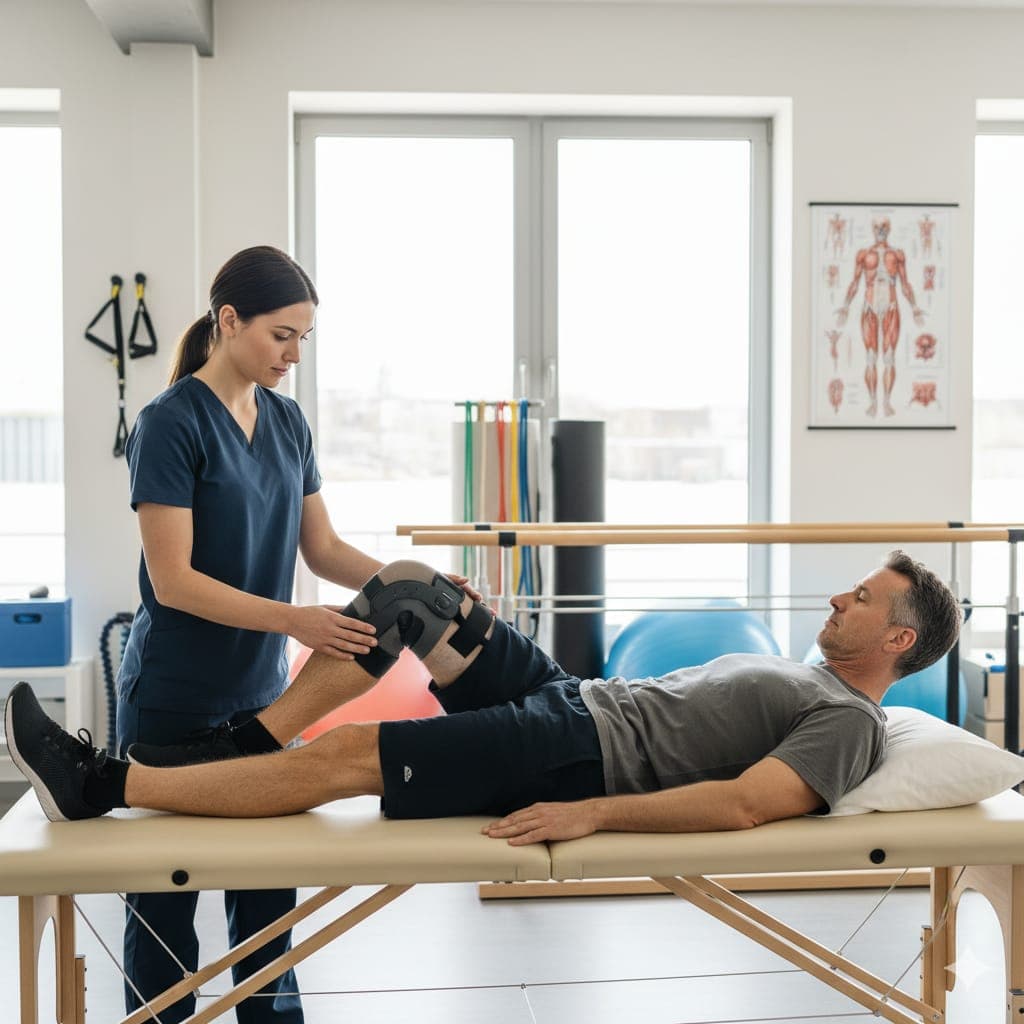
At FysioCult, our neuro physiotherapy programs focus on restoring movement, coordination, and independence for patients recovering from stroke, paralysis, spinal cord injury, and neurological disorders.
2K+
Patients Treated
94%
Recovery Success Rate
10+
Specialized Neuro Protocols
What Is Neuro Physiotherapy?
Neuro physiotherapy is a specialized branch of rehabilitation focused on treating patients with neurological disorders affecting movement, balance, coordination, and muscle control.
It is essential for patients recovering from stroke, spinal cord injuries, brain injuries, Parkinson’s disease, multiple sclerosis, and paralysis.
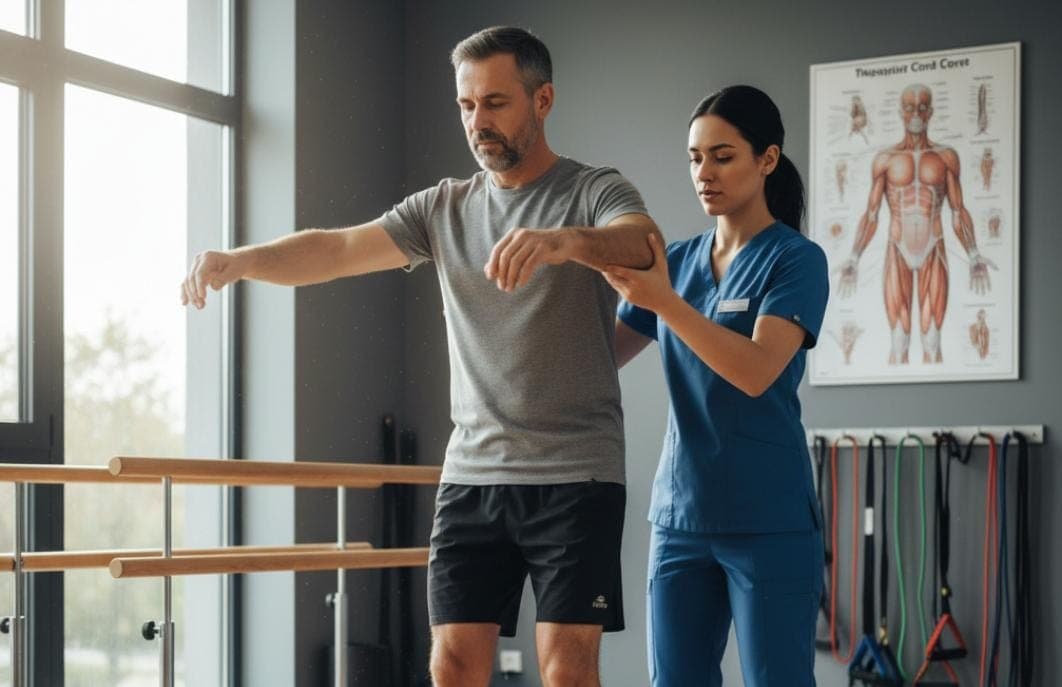
At FysioCult Bellandur, we use evidence-based neuro-rehabilitation protocols designed to retrain the brain and nervous system through repetitive functional movement and motor re-education.
BENEFITS
Why Choose This Treatment
Benefits of neuro-physiotherapy
Improves mobility and coordination
Enhances muscle control
Reduces risk of falls
Restores independence in daily activities
Improves quality of life
Supports long-term neurological recovery
PAIN
Recognition
Does This Sound Familiar?
Weakness on one side of the body after stroke
Difficulty walking or maintaining balance
Muscle stiffness or spasticity
Loss of coordination and fine motor control
Frequent falls due to instability
Reduced independence in daily activities
Common Neurological Symptoms
Neurological disorders often affect movement patterns, muscle tone, and coordination. Early physiotherapy intervention significantly improves recovery outcomes.
Partial or complete paralysis
Impaired balance and gait instability
Tremors and involuntary movements
Slurred speech associated with stroke
Difficulty performing daily activities
Muscle spasticity or rigidity
Loss of fine motor control
Delayed motor development in children
Ideal Candidates
Who Should Consider Neuro Physiotherapy?
Stroke survivors requiring structured rehabilitation.
Patients recovering from spinal cord injuries.
Individuals diagnosed with Parkinson’s disease or multiple sclerosis.
Children with cerebral palsy or developmental delays.
Patients with traumatic brain injury needing motor retraining.
Neurological Risk Factors
Factors That Affect Brain & Nerve Recovery
Neurological conditions often develop due to vascular issues, trauma, degeneration, or lifestyle factors that impact the nervous system.
High blood pressure leading to stroke
Diabetes increasing nerve damage risk
Head injuries from accidents
Age-related neurological degeneration
Sedentary lifestyle affecting mobility
Genetic neurological disorders
Clinical Expertise
Conditions We Treat
Stroke Rehabilitation
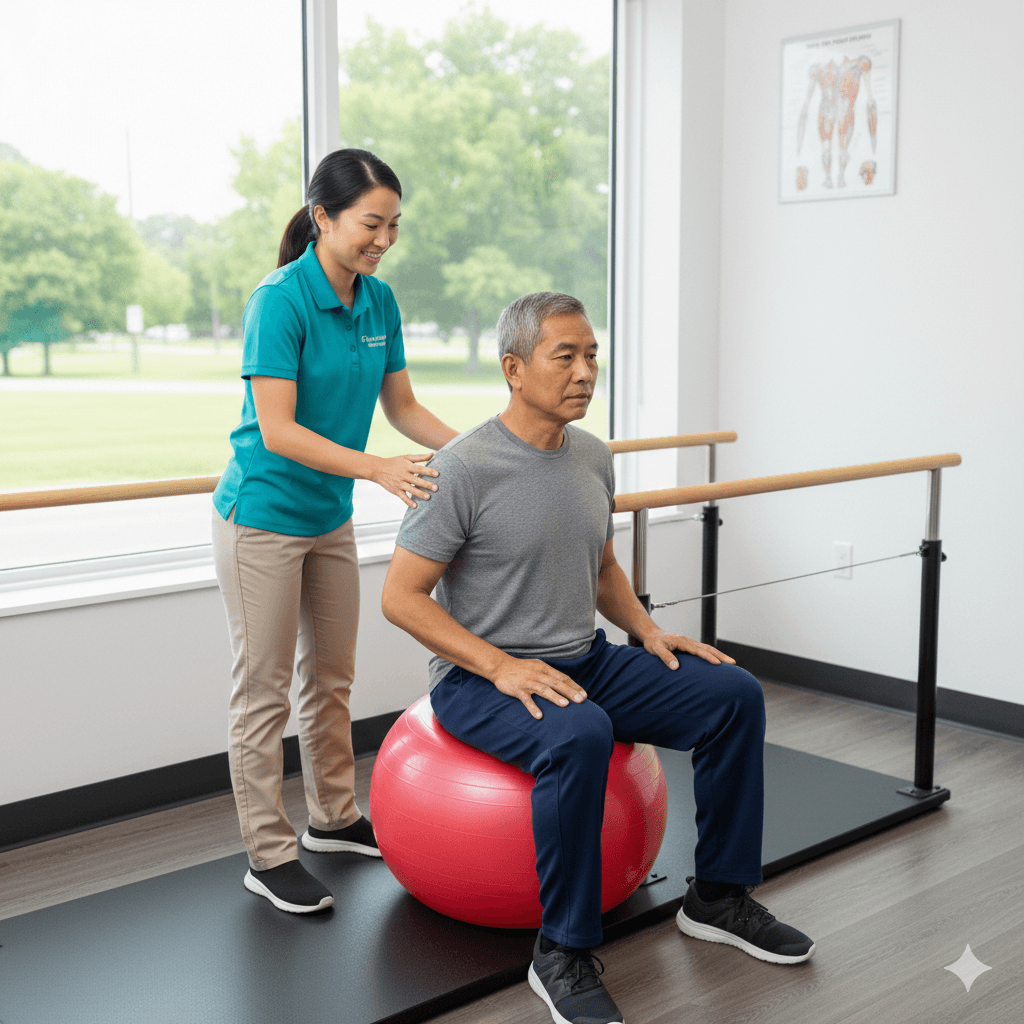
Stroke can cause muscle weakness, paralysis, and impaired coordination. Early physiotherapy significantly improves long-term recovery.
Hemiplegia Recovery
Post-Stroke Gait Training
Balance Re-education
Motor Relearning Therapy
Condition Category
Stroke Rehabilitation
Spinal Cord & Brain Injury
Neurological trauma can disrupt nerve signals, affecting mobility and strength.
Spinal Cord Injury Rehab
Traumatic Brain Injury Recovery
Functional Mobility Training
Neuromuscular Re-education
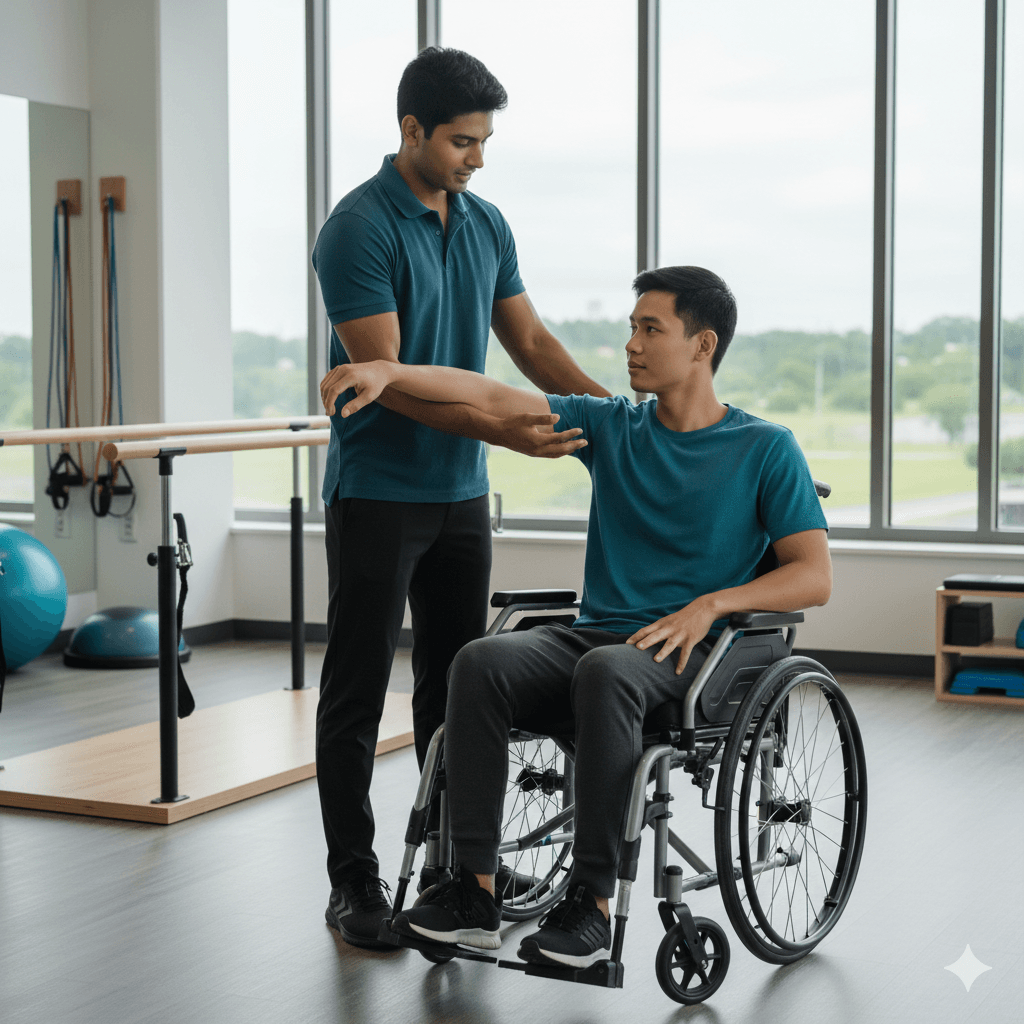
Condition Category
Spinal Cord & Brain Injury
Degenerative Neurological Disorders
Progressive neurological conditions require structured physiotherapy to maintain independence.
Parkinson’s Disease Therapy
Multiple Sclerosis Rehabilitation
Balance & Fall Prevention
Coordination Enhancement Programs
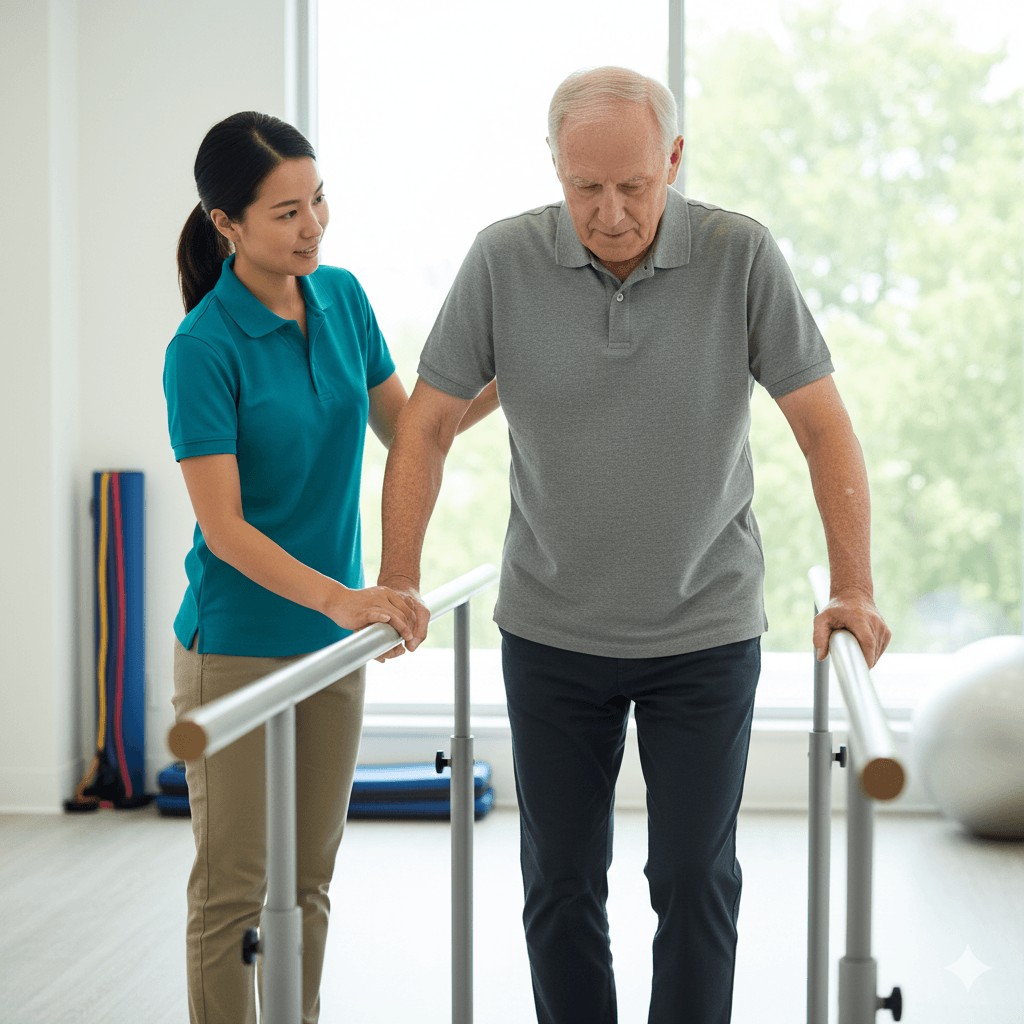
Condition Category
Degenerative Neurological Disorders
Non-Surgical Treatment Approach
Motor relearning therapy
Balance and gait training
Functional electrical stimulation
Spasticity management exercises
Coordination retraining
Strength and endurance conditioning

Recovery Timeline
Early Intervention Phase
Week 1–4
Focus on muscle activation, gentle mobility, and preventing complications.
Functional Retraining Phase
Week 4–8
Structured gait training, balance improvement, and coordination exercises.
Advanced Recovery Phase
Week 8–16
Strength building, independence training, and return-to-daily-life conditioning.
Structured Recovery
Our Treatment Process
Neurological Assessment
Detailed evaluation of muscle tone, reflexes, balance, and motor control.
Individualized Neuro Rehab Plan
Customized rehabilitation roadmap tailored to patient condition and severity.
Motor Relearning & Gait Training
Structured exercises to retrain the brain-body connection.
Balance & Coordination Therapy
Improving stability to reduce fall risk and enhance independence.
Long-Term Functional Independence
Progressive training focused on daily living activities and mobility confidence.
Advanced Surgical Recovery
Post-Surgical Rehabilitation
Post brain surgery rehabilitation
Post spinal surgery mobility recovery
Nerve repair rehabilitation
Frequently Asked Questions
Need Expert Neuro Rehabilitation in Bellandur?
Book a personalized neuro physiotherapy consultation at FysioCult and begin your structured path toward neurological recovery today.
Book Your Session